What Certification Do You Need for Solar Battery Export to Central Asia?
The certification and documentation requirements for shipping LiFePO4 energy storage systems to Kazakhstan, Uzbekistan and neighbouring Central Asian markets — including UN38.3, CE, customs union considerations and cold-climate performance.
Central Asia — Kazakhstan, Uzbekistan, Kyrgyzstan and neighbouring markets — is seeing rapid growth in distributed solar and battery storage, driven by grid instability in remote regions, telecom expansion and industrial demand for uninterrupted power. For buyers importing energy storage from China, the certification and documentation requirements determine whether equipment clears customs and whether it can be legally commissioned.
UN38.3 is the non-negotiable starting point. Any lithium battery shipped by air or sea must pass the UN Manual of Tests and Criteria, Section 38.3, covering altitude, thermal, vibration, shock, external short circuit, impact, overcharge and forced discharge tests. Buyers should request the UN38.3 test summary from the cell or pack manufacturer, not a generic statement of compliance. Without it, carriers will refuse the shipment.
Beyond transport safety, product-level certification matters for customs and for end-client acceptance. CE marking demonstrates conformity with EU health, safety and environmental requirements and is widely recognised across Central Asian procurement. IEC 62619 is the key standard for industrial lithium batteries used in stationary applications, while IEC 62109 covers power conversion equipment. For grid-connected inverters, local grid codes in Kazakhstan and Uzbekistan may require additional conformity confirmation.
Cold-climate performance is the technical requirement buyers most often underestimate. Central Asian winters routinely drop below -20°C, where standard lithium cells cannot be charged safely. A properly specified system includes low-temperature charging protection, battery thermal management and, for outdoor cabinets, insulated enclosures with controlled heating. Confirm the specified operating and charging temperature range in writing before ordering — this single specification determines whether your system works in January.
Documentation for customs typically includes the commercial invoice, packing list, bill of lading or CMR waybill for overland transport, certificate of origin, technical passport or datasheet, UN38.3 test summary, and MSDS for the battery. Overland rail and road routes through the Khorgos and other corridors are common, and complete documentation prevents costly dwell time at border crossings.
For telecom base stations, industrial sites and agricultural operations, LiFePO4 chemistry is generally preferred for its safety profile, cycle life and thermal stability. Look for integrated battery management with cell balancing, over-voltage and over-temperature protection, plus remote monitoring so that faults are detected before they cause downtime.
Practical advice for first-time importers: request the full documentation pack before shipment, confirm the low-temperature specification matches your site conditions, and plan for spare capacity in your system sizing. Battery capacity degrades faster in extreme cold, and a system sized to nominal conditions will underperform in winter.
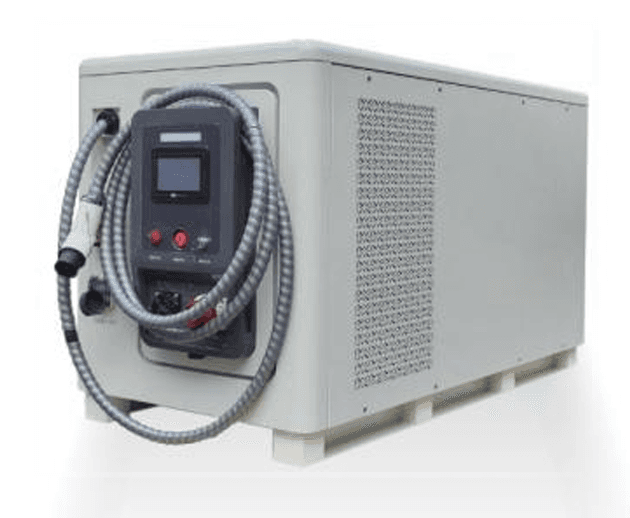
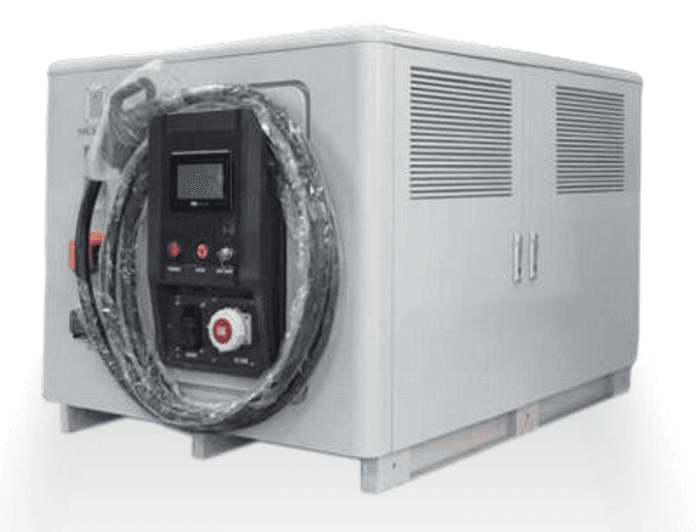
HONFOR supplies LiFePO4 energy storage and mobile charging systems with UN38.3, CE and MSDS documentation, 4G remote monitoring and cold-climate configuration options for Central Asian deployments. Contact our energy team with your site load profile and ambient temperature range for a specification review.
Need a quote for your market?
Tell us your use case and target market — our team replies within 24 hours.