How to Import Electric Tricycles from China to Nigeria: A Step-by-Step Guide
Everything B2B buyers need to know about importing electric cargo and passenger tricycles from China to Nigeria — from supplier selection and certification to shipping, customs duties and local assembly.
Nigeria is one of the fastest-growing markets for electric tricycles in Africa. Fuel price volatility, dense urban traffic and the rapid expansion of last-mile delivery have pushed fleet operators, distributors and state transport programmes to look at electric alternatives. For most buyers, sourcing directly from a Chinese manufacturer is the most cost-effective route — but the import process has specific steps that determine whether your first shipment is profitable.
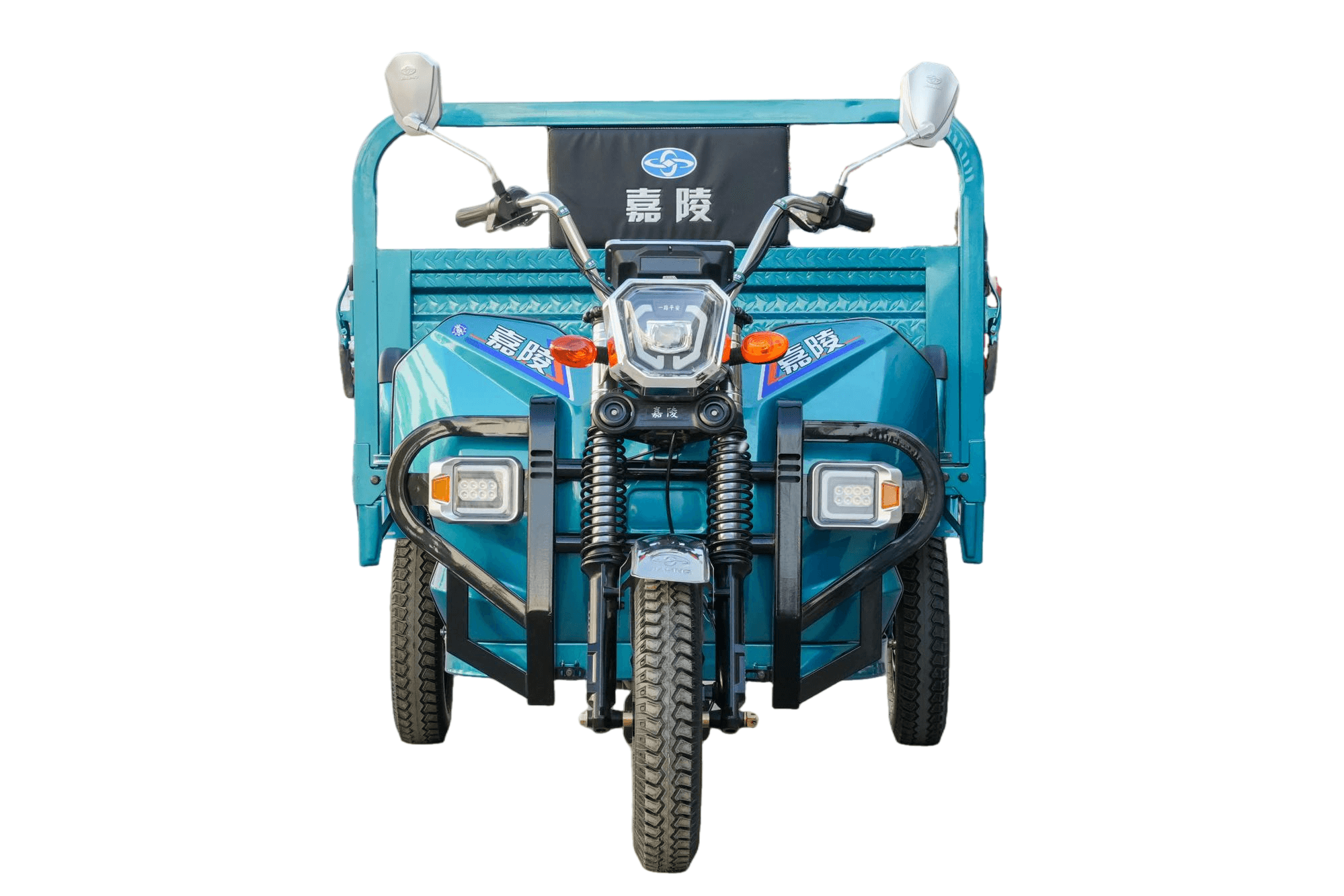
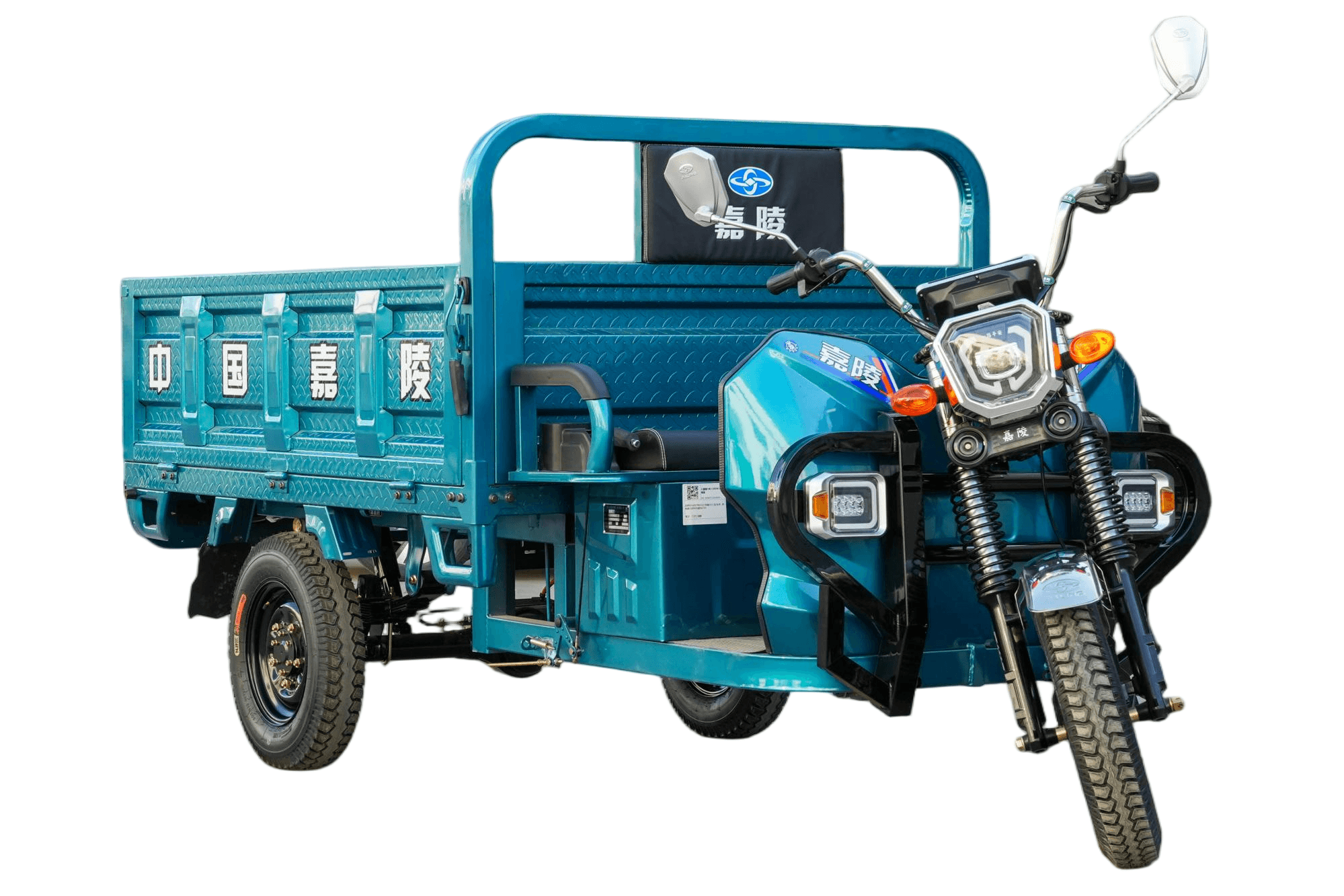
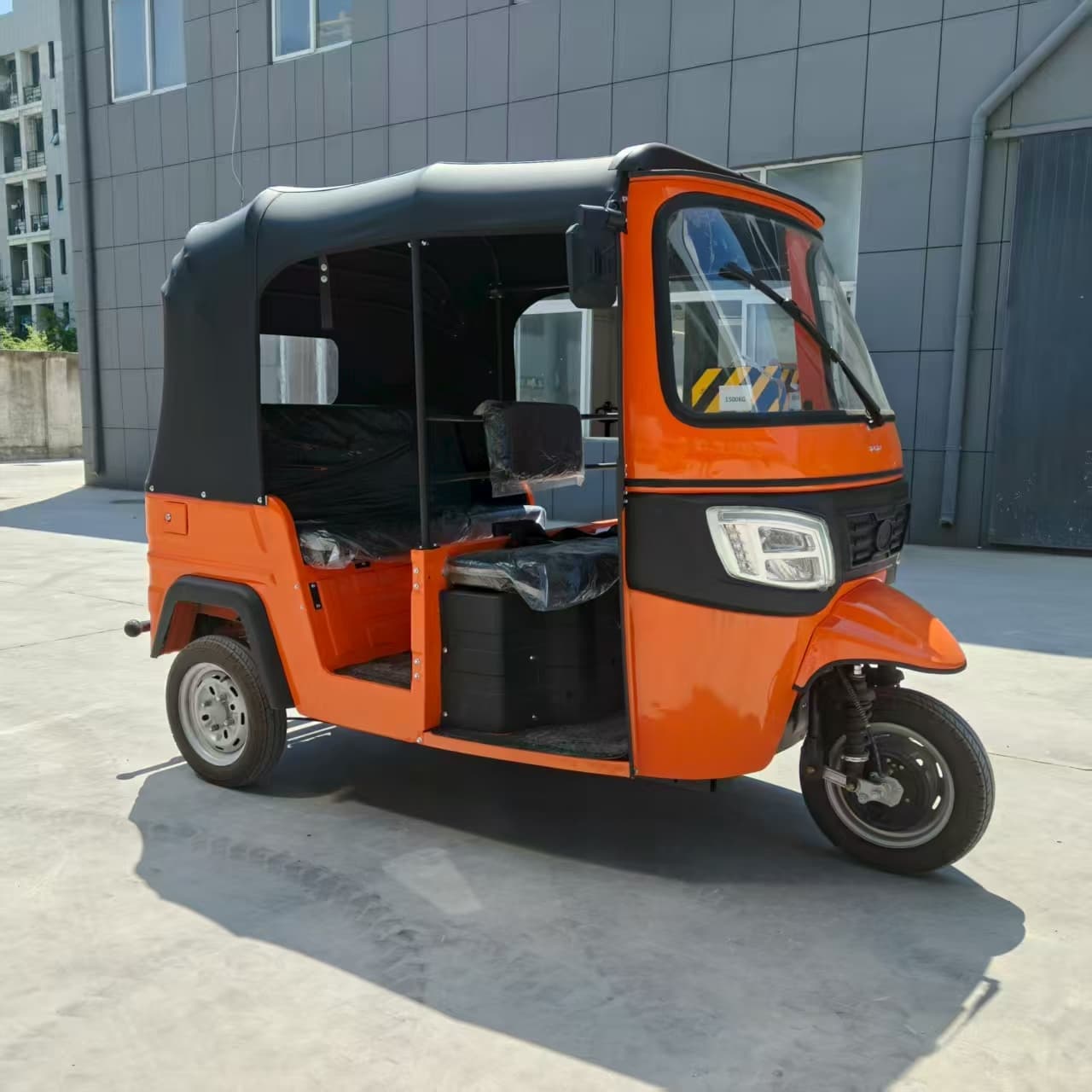
Step 1: Define your use case before you compare prices. A 2-ton heavy-duty cargo tricycle for construction material haulage is a completely different machine from a 6-seat passenger tricycle for urban transport. Clarify payload, daily distance, road conditions and whether you need enclosed cargo. This determines motor power, battery capacity and frame specification — and prevents the most common mistake of buying a vehicle that cannot handle your operating conditions.
Step 2: Verify the manufacturer, not just the trading company. Ask for factory audit material, production capacity, welding and assembly lines, and battery test reports. A real manufacturer can provide engineering drawings, customisation options and consistent spare parts supply. Factory-direct sourcing typically reduces unit cost by 15–30% compared with buying through intermediaries.
Step 3: Confirm certifications and compliance. For Nigeria, buyers commonly request CE marking, ISO 9001 for quality management, and UN38.3 for lithium battery transport safety. UN38.3 is mandatory for air and sea shipment of lithium batteries and must be provided with test summary documentation. Confirm that the battery is LiFePO4 where possible — it offers superior thermal stability in high ambient temperatures, which matters for Nigerian operating conditions.
Step 4: Choose your shipping and packaging mode — CKD, SKD or CBU. Completely Knocked Down (CKD) shipments reduce import duty significantly because unassembled components attract lower tariff rates than complete vehicles, and they enable local assembly that creates jobs and qualifies for local-content incentives. Semi Knocked Down (SKD) is a middle option. Completely Built Up (CBU) is simplest but carries the highest duty. Many Nigerian importers start with CBU for market testing, then move to CKD once volumes justify local assembly.
Step 5: Plan for after-sales and spare parts from day one. The single biggest cause of failed electric vehicle projects in Africa is not vehicle quality — it is the inability to service vehicles after month six. Before ordering, confirm spare parts availability, technical training for your mechanics, warranty terms and the availability of a local service partner. Consumables like brake pads, controllers, chargers and battery cells should be stocked locally.
Step 6: Calculate total landed cost, not unit price. Add sea freight, insurance, port charges, customs duty, clearing agent fees and inland transport to the ex-works price. A slightly higher unit price from a supplier who provides complete documentation, proper export packaging and reliable consolidation often produces a lower landed cost than a cheap unit that arrives damaged or stuck at the port.
Typical timelines: production 20–35 days depending on quantity and customisation, sea freight from major Chinese ports to Lagos approximately 30–40 days, and customs clearance 5–15 days depending on documentation readiness. Planning a first order of 5–10 units is a common way to validate the market before committing to container volumes.
HONFOR supplies factory-direct electric cargo and passenger tricycles with CE, ISO 9001 and UN38.3 documentation, CKD/SKD/CBU packaging options and export handling support. Contact our team for a landed-cost quotation tailored to your Nigerian operation.
Need a quote for your market?
Tell us your use case and target market — our team replies within 24 hours.