CKD vs CBU: Which Shipping Solution Is Right for Your Electric Tricycle Import Business?
A practical comparison of CKD, SKD and CBU shipping for electric tricycle importers — duty impact, assembly requirements, container efficiency and when each option makes commercial sense.
One of the first decisions any electric tricycle importer faces is how the vehicles will be shipped. The choice between CBU, SKD and CKD affects your import duty, your working capital, your local employment footprint and your ability to scale. Understanding the trade-offs before you negotiate with a supplier can change the economics of your business.
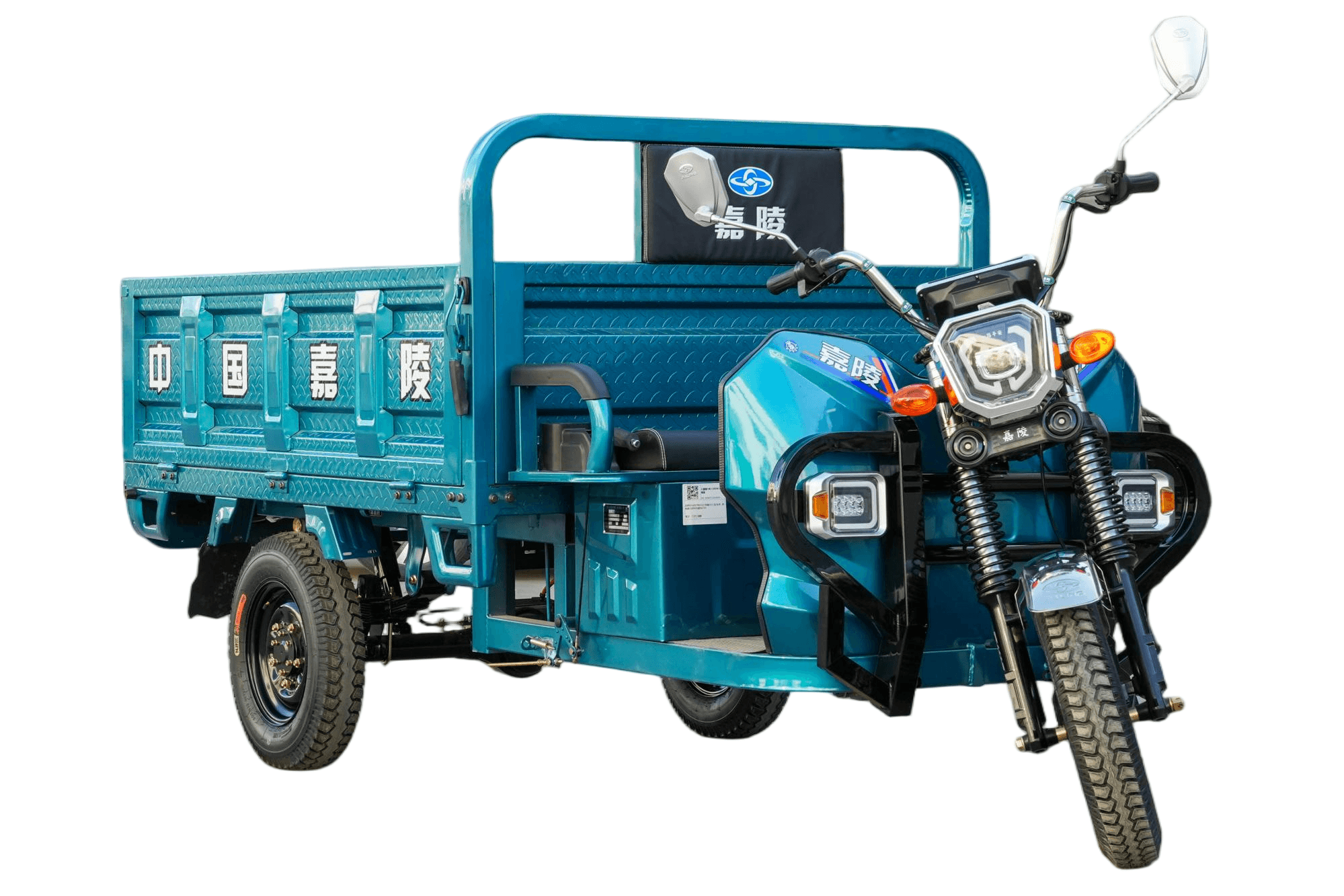
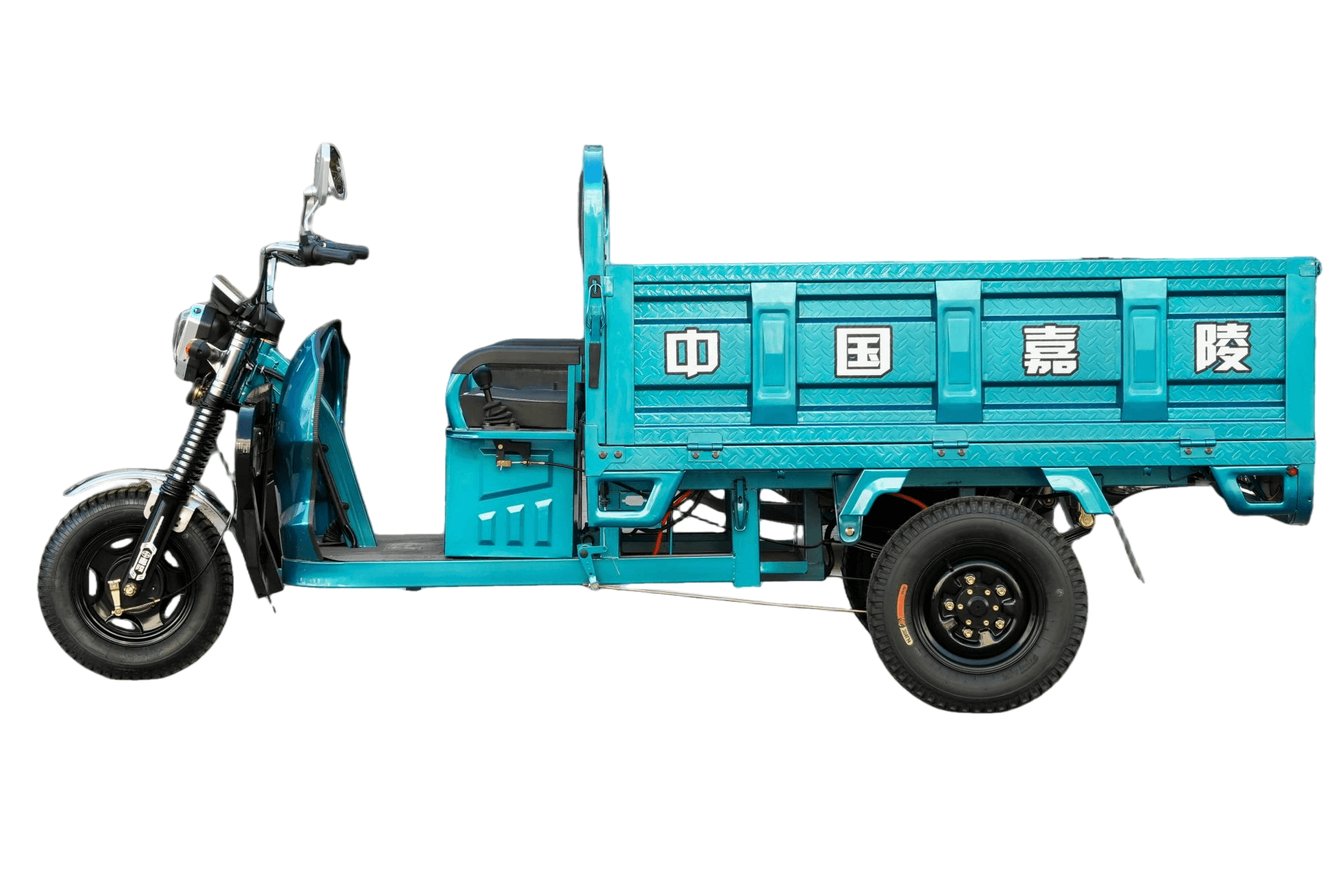
CBU (Completely Built Up) means vehicles arrive fully assembled and ready to ride. It is the fastest route to market: no assembly line, no technician training, no local tooling. CBU is the right choice for market testing, small trial orders, demo fleets and urgent tenders. The trade-off is that complete vehicles typically attract the highest import duty band, and they occupy more container space — you ship a lot of air.
SKD (Semi Knocked Down) ships major assemblies partially disassembled — for example the chassis, cab and cargo box separated, with the drivetrain pre-assembled. Final assembly is straightforward and requires basic tools and a small trained team. SKD reduces duty compared with CBU in many markets while keeping assembly complexity manageable. It suits importers with a service workshop but no full production line.
CKD (Completely Knocked Down) ships individual components and sub-assemblies for full local assembly. This attracts the lowest duty in most markets because tariffs on parts are lower than on finished vehicles. CKD also creates local jobs, which can qualify your operation for government incentives, local-content preferences in public tenders and a stronger position with regulators. The requirements are real, however: you need assembly space, trained technicians, torque tools, quality checks and a parts inventory system.
Container efficiency is a second important factor. Knocked-down units pack far more densely — a 40HQ container that holds a limited number of fully built tricycles can hold substantially more in CKD form, lowering per-unit freight cost. For importers moving from pilot volumes to regular container orders, this freight saving compounds quickly.
A practical path many successful distributors follow: start with CBU for a pilot fleet of 5–15 units to validate demand, serviceability and customer acceptance. Move to SKD once monthly volumes are predictable and you have a workshop. Transition to CKD when volumes justify an assembly line and you want to compete on duty-inclusive price or bid for government and institutional tenders.
Whichever mode you choose, insist on export-grade packaging: moisture protection, proper strapping, compartmentalised parts kits with clear labelling, and a packing list matched to the assembly documentation. Poor packaging is the most common cause of avoidable damage and missing-part disputes on arrival.
HONFOR supports all three modes — CKD, SKD and CBU — with matched packing lists, assembly documentation and container loading plans. Share your target volume and local duty structure, and we will model the landed cost for each option.
Need a quote for your market?
Tell us your use case and target market — our team replies within 24 hours.